
What Happens If You Get Overwhelmed in an Intensive?

What Happens If You Get Overwhelmed in an Intensive?
If the thought of spending an extended day in therapy feels a little scary, you're not alone.
Many people who are drawn to therapy intensives carry a quiet worry underneath their curiosity: What if it's too much? What if I fall apart and can't pull myself back together? This is one of the most common concerns people share when they're considering a trauma therapy intensive — and it's a completely understandable one.
The good news is that this question means you're already thinking about yourself with care. And the answer, grounded in how trauma-informed therapy actually works, may bring you more reassurance than you expect.
Why Emotional Activation Happens in Therapy
When we do deep therapeutic work, emotions don't just stay quietly in the background. Memories, sensations, and feelings that have been stored in the body and nervous system begin to surface. This is called emotional activation — and it's not a sign that something is going wrong. It's often a sign that something important is finally being heard.
Your nervous system doesn't distinguish between a memory and a present moment. When old pain is touched, the body can respond as though it's happening now — heart racing, breath shortening, tears rising, or a sudden urge to shut down entirely. This is your system doing exactly what it was designed to do: protect you.
In a trauma therapy intensive, these moments of activation are not only anticipated — they're actually part of the work. Healing often lives right at the edge of what feels comfortable, and a skilled therapist knows how to help you approach that edge without going over it.
What Therapists Do If Clients Feel Overwhelmed
Trauma-informed therapists are specifically trained to watch for signs of overwhelm — and to respond before things feel out of control. You are never simply left to navigate emotional intensity on your own.
Here's what that support can look like in practice:
Grounding techniques. If you begin to feel flooded, your therapist might guide you through a simple grounding exercise — noticing five things you can see in the room, feeling your feet on the floor, or following a slow breath together. These aren't just relaxation tricks; they're tools that actively signal safety to your nervous system.
Titration and pacing. Trauma-informed therapy doesn't push through everything all at once. Therapists use a process called titration — approaching difficult material in small, manageable doses, then stepping back to allow your system to stabilize. In an intensive, this pacing is built into the structure of the day itself.
Tracking your window of tolerance. Your therapist is continuously reading your cues — your body language, your breathing, the quality of your voice, the look in your eyes. When they sense you're approaching your edge, they gently shift the work. You don't have to manage this awareness yourself. That's their job.
Resourcing. Before going into challenging material, therapists often help clients build internal resources — a sense of a safe place, an image of support, a connection to something stabilizing. These become anchors you can return to whenever the work feels like too much.
Taking a break — or stopping entirely. In a therapy intensive, there is always the option to pause. A good trauma-informed therapist will never prioritize "getting through the material" over your sense of safety. If you need to stop, you stop. This is not failure. This is the work honoring you.
Nervous system regulation is not just a phrase in trauma-informed therapy — it's the foundation. Everything in a well-designed intensive is structured to help your system stay regulated enough to do meaningful work, and to return to a calm baseline before you leave.
Why Feeling Emotion Doesn't Mean Losing Control
One of the most important things to understand about emotional intensity in therapy is this: feeling your emotions is not the same as losing control of them.
Our culture often teaches us to fear big feelings — to see tears or shaking or heaviness as signs of weakness or breakdown. But in trauma-informed therapy, these responses are understood very differently. They are the body's language. They are the nervous system finally having enough safety to express what it has been holding.
Crying in a session is not falling apart. It is release. Feeling anger or grief move through you is not the same as being consumed by it. And when these feelings arise in the presence of a skilled, attuned therapist, they can be witnessed, metabolized, and integrated — rather than endured alone, as they may have been for so long.
Many people who have completed a trauma therapy intensive describe feeling lighter afterward — not because they bypassed the hard emotions, but because they moved through them with support. The intensity, when held carefully, becomes the doorway to something more spacious on the other side.
You Don't Have to Be Ready — You Just Have to Be Curious
If you've made it to the end of this post, something in you is already reaching toward healing. Maybe you're not sure you're ready. Maybe the idea of a full day of deep work still feels a little daunting. That's okay.
Therapy intensives are not for people who have it all figured out. They're for people who are tired of circling the same pain and ready to try something different — even if "ready" just means willing to find out more.
If you're curious about whether a therapy intensive might be right for you, I'd love to talk. We can explore what the process looks like, what we'd focus on, and how we'd make sure you feel safe every step of the way. There's no pressure — just a conversation.
Your nervous system has carried a lot. You deserve support that meets you where you are.
Keywords naturally included: therapy intensive, trauma therapy intensive, nervous system regulation, trauma-informed therapy
Feel free to let me know if you'd like to adjust the tone, length, add your name/practice details, or tailor the CTA to your specific consultation process!
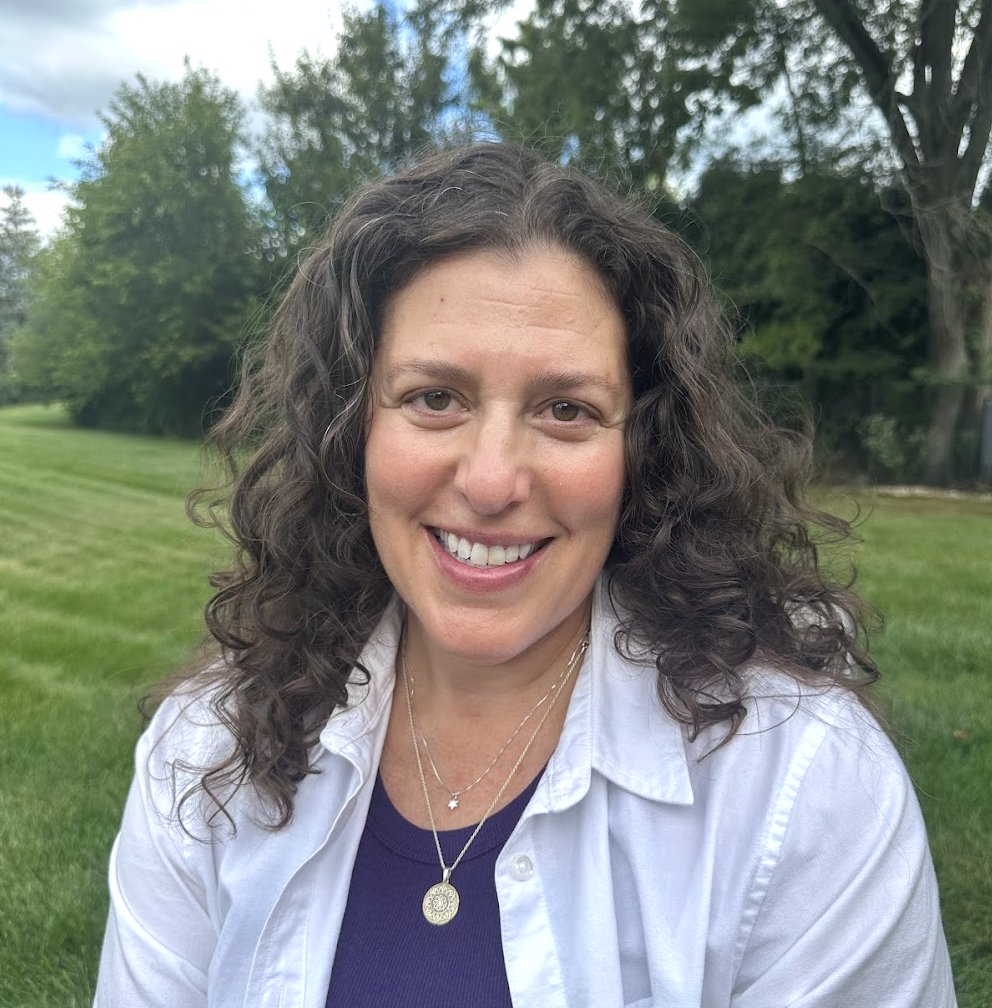
ABOUT THE AUTHOR
Sari Glazebrook LCSW is a licensed clinical social worker providing in person psychotherapy in Northfield, IL and North Suburban Chicago with virtual sessions available across Illinois and Wisconsin. She specializes in trauma therapy and therapy intensives, integrating EMDR and somatic approaches to help clients process deeply, regulate effectively, and create lasting change. At Hopeful Heart, Sari provides compassionate, trauma-informed care that fits real life—whether that’s weekly or in therapy intensives.work.
https://www.hopefulheartllc.com/about-me
https://www.hopefulheartllc.com/
Hopeful Heart LLC
540 Frontage Rd., Suite 3215, Northfield, IL 60093
224-456-8367