
Boundaries Without Guilt

Why Saying No Can Feel So Unsafe—And Why That Doesn't Mean You're Doing It Wrong
If setting boundaries fills you with guilt, anxiety, or fear, you're not alone. Many people who struggle with people-pleasing aren't simply "too nice"—their nervous system learned that keeping others happy was the safest way to stay connected. The guilt you feel after setting a healthy boundary is not proof you've done something wrong. More often, it's evidence that you're practicing something new. Through awareness, nervous system regulation, and small daily micro practices, you can begin setting boundaries that honor both yourself and your relationships.
Boundaries Without Guilt
Can I tell you something I wish every person knew?
Feeling guilty after setting a boundary does not mean the boundary was wrong.
Read that again.
Because for so many people, that sentence changes everything.
I can't tell you how many times I've sat with someone who says,
"I finally said no...and I felt terrible."
They assume the guilt means they were selfish.
That they hurt someone.
That they should have just said yes.
But what if guilt isn't evidence that you've done something wrong?
What if it's simply your nervous system responding to something unfamiliar?
That possibility changes the conversation entirely.
Hopeful Heart Insight
Awareness always comes before change.
Before asking yourself, "How do I become better at setting boundaries?"
Try asking,
"What happens inside me when I imagine disappointing someone?"
Healing begins there.
Not with fixing.
With noticing.
Why Boundaries Feel So Hard
None of us are born believing our needs don't matter.
We learn it.
Sometimes quietly.
Sometimes over years.
Sometimes because love felt conditional.
Sometimes because conflict felt unsafe.
Sometimes because we became the peacekeeper in our family.
Sometimes because our nervous system discovered that keeping everyone else comfortable was the best way to stay connected.
Those adaptations were not weaknesses.
They were brilliant acts of survival.
Many adults who struggle with people pleasing aren't simply avoiding conflict.
They're protecting relationships in the only way their nervous system ever learned.
That's why setting boundaries can feel surprisingly threatening—even when the relationship itself is healthy.
Your body isn't asking,
"Is this boundary reasonable?"
It's asking,
"Will I still belong if I disappoint someone?"
Those are very different questions.
What the Guilt Is Really About
One of the greatest misunderstandings about boundaries is believing guilt is a moral compass.
It isn't.
Often, guilt is simply the emotional discomfort of doing something different.
Your nervous system prefers what is familiar.
Even if what is familiar has been exhausting.
If you've spent years saying yes when you meant no, then saying no may feel wrong—not because it is wrong, but because it is new.
That's why I encourage clients to become curious instead of critical.
Instead of asking,
"Why do I feel guilty?"
Try asking,
"What is my nervous system trying to protect me from?"
Curiosity creates space where criticism never can.
Two Things Can Be True
One of the foundations of the Hopeful Heart philosophy is this:
Two things can be true at the same time.
You can love someone...
AND
need a boundary.
You can feel guilty...
AND
be making a healthy decision.
Someone can be disappointed...
AND
still care about you.
Setting a boundary may create discomfort.
AND
it may be exactly what your relationship needs.
Learning to hold both truths is one of the most important parts of emotional healing.
What Healthy Boundaries Actually Feel Like
Healthy boundaries aren't walls.
They aren't punishments.
They aren't about controlling another person's behavior.
Healthy boundaries are clarity.
They're the honest expression of what allows you to remain connected to yourself while staying connected to others.
They sound like:
"I'm not available tonight."
"I need some time before I answer."
"That doesn't work for me."
"I'm choosing not to have that conversation today."
Notice something important.
None of these statements require an apology for having needs.
Healthy boundaries are not about becoming less caring.
They're about caring for yourself enough that your kindness is no longer fueled by resentment or fear.
Life Is Hard. Choose the Hard That Serves You.
One of my favorite reminders is this:
Life doesn't offer us a path without difficulty.
Exercise is hard.
Living in a body that doesn't feel healthy is hard.
Setting boundaries is hard.
Resenting everyone because you never set them is hard.
Having difficult conversations is hard.
Living disconnected from the people you love is hard.
Healing is hard.
Staying stuck is hard.
The question isn't:
"How do I avoid hard things?"
The question is:
"Which hard moves me closer to the life I want to live?"
Not every hardship is chosen.
Life brings pain, uncertainty, and challenges to all of us.
But when we do have a choice, we can ask:
"Which difficult path is more aligned with my values?"
Boundaries Are an Act of Care
One of the biggest myths I hear is that boundaries push people away.
Healthy boundaries actually create healthier relationships.
They reduce resentment.
Increase trust.
Create clarity.
Protect connection.
Boundaries don't keep love out.
They create space for love to become more honest.
When we stop saying yes because we're afraid...
Our yes becomes authentic.
How Therapy Helps
Therapy isn't about teaching you clever boundary scripts.
It's about helping you understand why boundaries have felt unsafe in the first place.
Together, we'll explore:
Where your people-pleasing patterns began.
What your nervous system learned about conflict.
Why guilt feels so overwhelming.
What your body needs to feel safe while setting limits.
How to practice new ways of relating without abandoning yourself.
Healing doesn't happen because someone gives you better words.
Healing happens because your nervous system begins to believe something new:
I can disappoint someone...and still be safe.
That changes everything.
Today's Hopeful Heart Micro Practice
The next time someone asks something of you...
Don't answer immediately.
Pause.
Take one slow breath.
Notice what happens in your body.
Then ask yourself one question:
If guilt weren't making this decision, what would I choose?
That's enough for today.
Healing doesn't happen through giant leaps.
It happens through micro practices repeated with compassion.
Coming Home
Before you leave today, take a moment to reflect.
What am I noticing?
What is my nervous system trying to protect me from?
What value do I want to honor in my next boundary?
What's one micro practice I can try this week?
Awareness always comes before change.
If This Resonated With You...
If you've spent years feeling responsible for everyone else's comfort while quietly ignoring your own, therapy can help.
Together, we'll explore where these patterns began, help your nervous system experience greater safety, and build the confidence to create healthy, authentic relationships without carrying the weight of constant guilt.
You deserve to feel safe in your body as you move through the world.
If you're ready to begin that journey, I'd be honored to walk alongside you.
Schedule a consultation today.
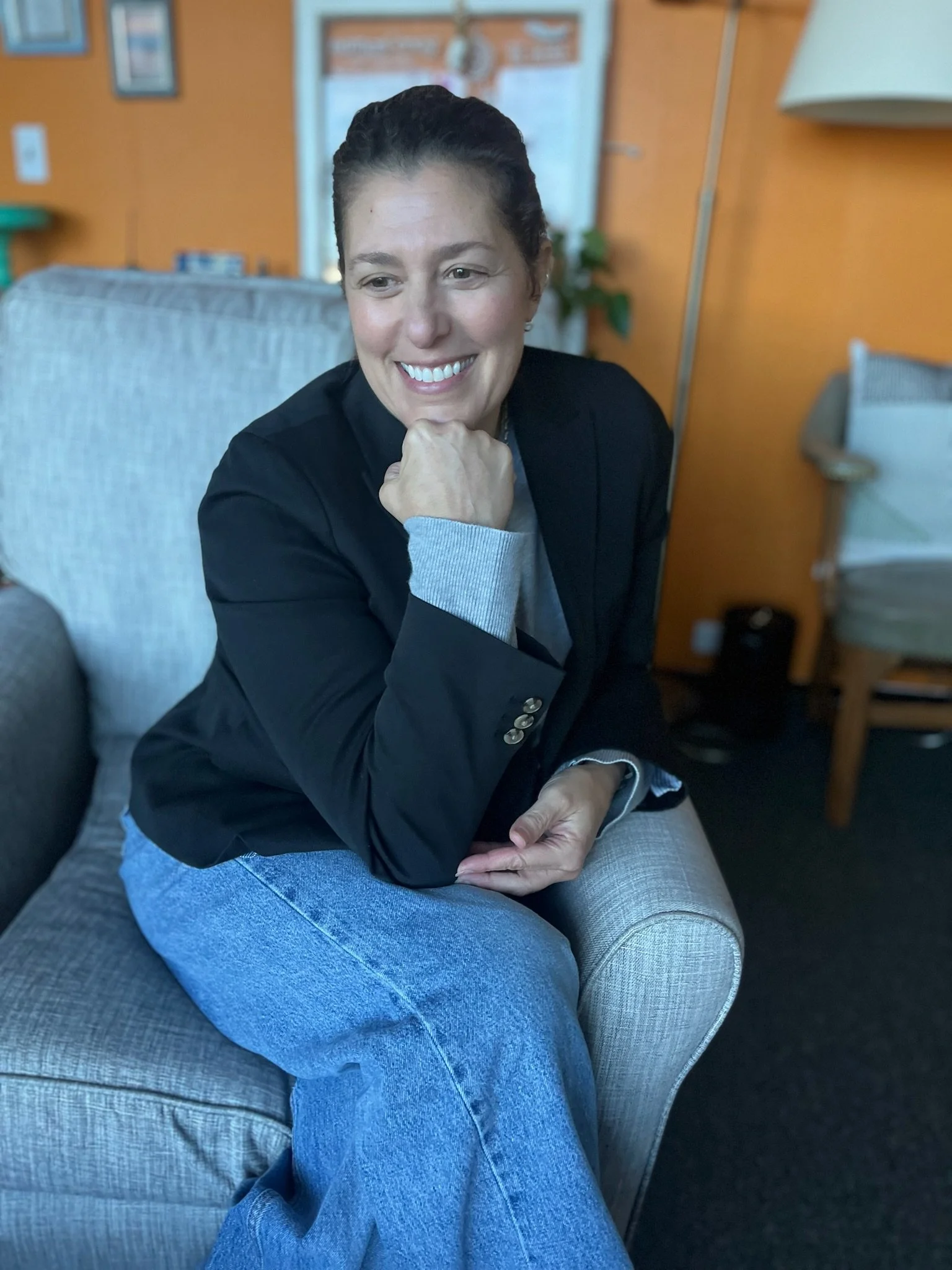
About the Author
Sari Glazebrook, LCSW is the founder of Hopeful Heart, a trauma-informed therapy and coaching practice rooted in the belief that healing begins with safety. With more than 15 years of experience, Sari helps adults move beyond survival patterns by integrating EMDR, attachment theory, nervous system regulation, and evidence-based trauma therapies. She believes every person possesses an innate capacity to heal and deserves to feel safe in their body as they move through the world. Sari works with clients throughout Illinois and Arizona, offering compassionate care that helps people reconnect with themselves, build healthier relationships, and live in alignment with their values.