
Why Routine Helps a Dysregulated Nervous System

Why Predictability Feels Like Peace When Your Body Has Been Living in Survival Mode
If you've ever noticed that you're more anxious, reactive, or emotionally exhausted when your days feel chaotic, you're not imagining it. A dysregulated nervous system craves predictability because routine communicates safety to the body. This doesn't mean you're rigid, high-maintenance, or "bad with change." It means your nervous system is doing what it was designed to do—look for cues that tell it the world is safe enough to relax. Through small, intentional micro practices, you can begin creating rhythms that support nervous system regulation without becoming rigid or overwhelming.
Why Routine Helps a Dysregulated Nervous System
Can I let you in on something I wish more people understood?
Your nervous system loves predictability.
Not because it wants life to be boring.
Because predictability feels safe.
I often hear clients say,
"I don't know what's wrong with me. If my schedule gets thrown off, I feel anxious all day."
Or...
"I function so much better when I have a routine. Does that mean I'm controlling?"
My answer is almost always the same.
No.
It means your body is looking for safety.
And after years of working with people navigating trauma, anxiety, ADHD, and chronic stress, I've learned something important:
The nervous system doesn't ask,
"Is today productive?"
It asks,
"Is today predictable enough that I can finally exhale?"
Hopeful Heart Insight
Safety comes before strategy.
We often believe we need better time management, more motivation, or greater discipline.
Sometimes what we actually need is more safety.
Because when your body feels safe, your mind becomes more available for planning, creativity, learning, and connection.
Your nervous system always comes first.
Why Predictability Matters
Your nervous system is constantly scanning your environment for signs of danger.
Most of this happens automatically.
You don't have to think about it.
Your body is already asking,
Am I safe?
For someone whose nervous system has experienced trauma, chronic stress, anxiety, or years of unpredictability, that question often receives an uncertain answer.
The body stays alert.
Ready.
Watching.
Waiting.
This state is called hypervigilance.
It's exhausting.
And often invisible to everyone else.
Routine gently communicates something different.
"I know what comes next."
"I know when I'll eat."
"I know I'll have time to rest."
"I know there will be a quiet moment today."
These seemingly ordinary rhythms become extraordinary signals of safety.
When Life Feels Chaotic, Your Nervous System Works Overtime
Many people assume they feel anxious because they're "bad at handling stress."
I see something different.
I see nervous systems that have spent years adapting to unpredictability.
If your childhood felt inconsistent...
If relationships were emotionally unpredictable...
If you never knew what version of someone you were coming home to...
Your body learned an important lesson:
Always be ready.
That lesson may still be running today, even if your life has changed.
Without realizing it, your nervous system can begin treating every unexpected email, canceled plan, or schedule change as another reason to stay on guard.
Not because you're weak.
Because your body remembers.
Two Things Can Be True
One of the foundations of the Hopeful Heart Method is this:
Two things can be true at the same time.
You can crave flexibility...
AND
need predictable rhythms.
You can enjoy spontaneity...
AND
benefit from routine.
You can be healing...
AND
still need structure.
Routine isn't the opposite of freedom.
Sometimes it's what creates enough safety for freedom to exist.
What Regulating Routines Actually Look Like
When people hear the word "routine," they often imagine color-coded calendars and perfectly organized mornings.
That's not what I'm talking about.
The nervous system doesn't need perfection.
It needs rhythm.
A regulating routine might be:
Drinking a glass of water before coffee.
Opening the curtains each morning.
Eating lunch around the same time most days.
Taking a ten-minute walk after work.
Spending five quiet minutes without your phone.
Stretching before bed.
Writing one sentence in your journal.
Notice something.
None of these are dramatic.
That's because healing rarely happens through dramatic changes.
It happens through micro practices repeated with consistency.
Tiny moments that gently teach your nervous system,
"You can expect care here."
Routine Is Not About Control
One of my favorite ideas comes from psychiatrist Phil Stutz, who reminds us that life includes three unavoidable realities:
Pain
Uncertainty
Constant work
We cannot eliminate uncertainty.
Life will always surprise us.
Plans will change.
People will disappoint us.
Loss will find all of us eventually.
Routine isn't our attempt to control life.
Routine is how we care for ourselves while living in a world that will always contain uncertainty.
It's one way of saying to our nervous system,
"Even when life feels unpredictable, I will return to you."
Therapy Helps You Build a Routine That Fits Your Nervous System
This is why I don't hand clients a checklist and tell them to wake up at 5:00 a.m.
Healing isn't about copying someone else's routine.
It's about discovering what helps your nervous system feel supported.
Together, we explore questions like:
When do you feel most regulated?
What parts of your day consistently overwhelm you?
Where is your nervous system asking for more predictability?
What micro practices feel realistic—not perfect?
The goal isn't to create a schedule you can follow for one week.
The goal is to create rhythms you can return to for a lifetime.
Because sustainable change is compassionate change.
Today's Hopeful Heart Micro Practice
Choose one moment in your day that already happens consistently.
Maybe it's brushing your teeth.
Making coffee.
Starting your car.
Going to bed.
Now attach one small act of care to that moment.
One deep breath.
A shoulder roll.
A glass of water.
A brief body scan.
One sentence of gratitude.
Don't try to change your whole life today.
Simply practice telling your nervous system,
"I've got you."
Coming Home
Before you leave today, take a moment to notice:
What part of my day feels most unpredictable?
What helps my body feel safe?
What's one micro practice I can add to an existing routine?
How would my life feel different if I believed consistency was an act of self-compassion rather than self-discipline?
Remember...
Awareness always comes before change.
If Your Nervous System Never Gets a Chance to Settle...
If you constantly feel on edge, exhausted, emotionally reactive, or like your body never truly relaxes, you don't have to figure it out alone.
Together, we can explore what's keeping your nervous system in survival mode and begin building compassionate, sustainable rhythms that help you feel safer in your body and more connected to your life.
You deserve to move through the world with a nervous system that isn't always preparing for the next emergency.
If you're ready to begin, I'd be honored to support you. Reach out today to schedule a consultation.
About the Author
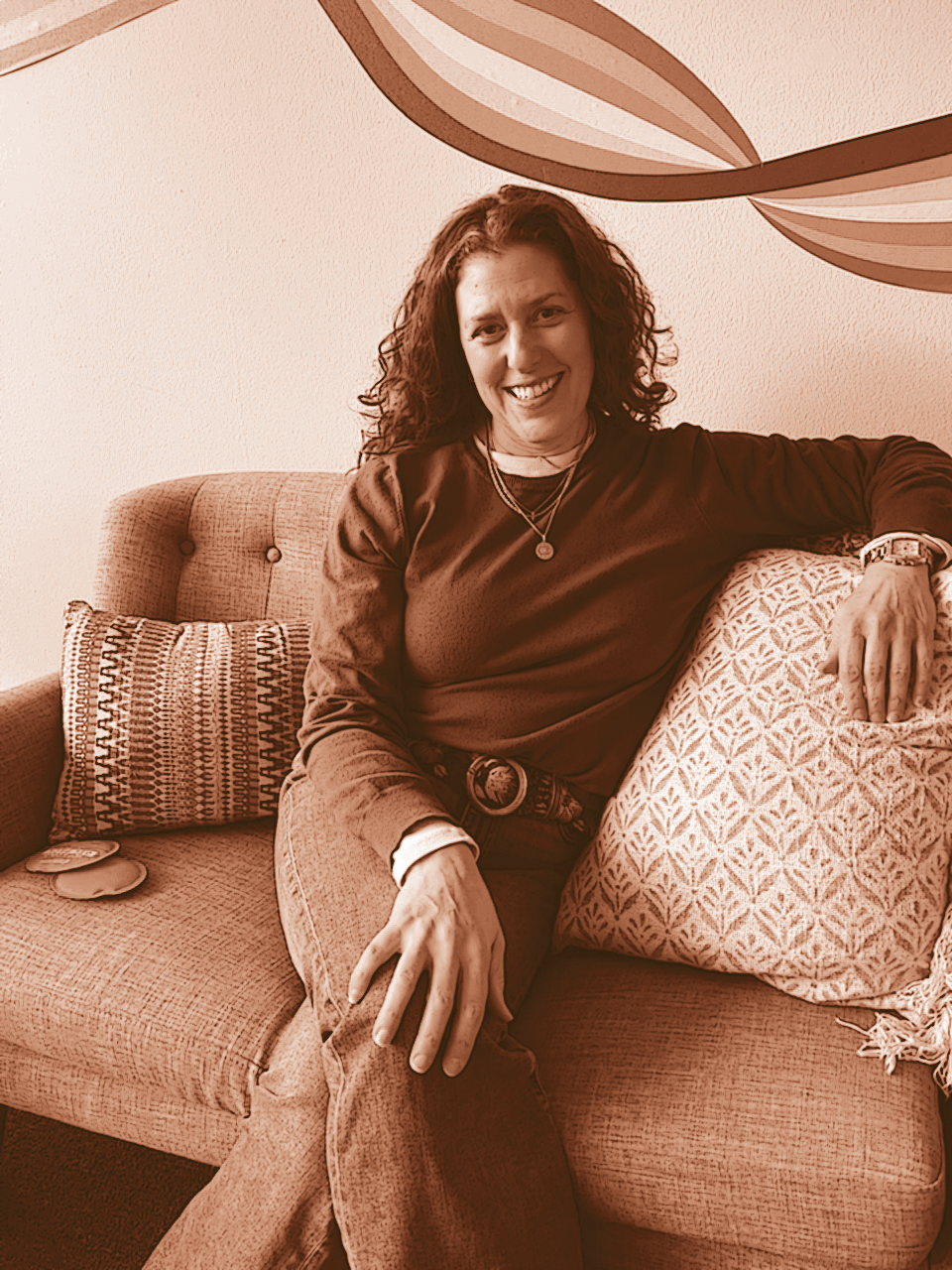
Sari Glazebrook, LCSW is the founder of Hopeful Heart, a trauma-informed therapy and coaching practice serving adults throughout the north suburbs of Chicago, with in-person services in Northfield and virtual therapy across Illinois and Wisconsin. With more than 15 years of experience, Sari specializes in trauma recovery, anxiety, attachment, nervous system regulation, and emotional healing. Drawing from EMDR, attachment theory, somatic and nervous system-informed approaches, and evidence-based trauma therapy, she helps clients move beyond survival patterns, reconnect with themselves, build healthier relationships, and live in alignment with their values. Sari believes every person possesses an innate capacity to heal and deserves to feel safe in their body as they move through the world.