
When Time Off Makes You More Dysregulated
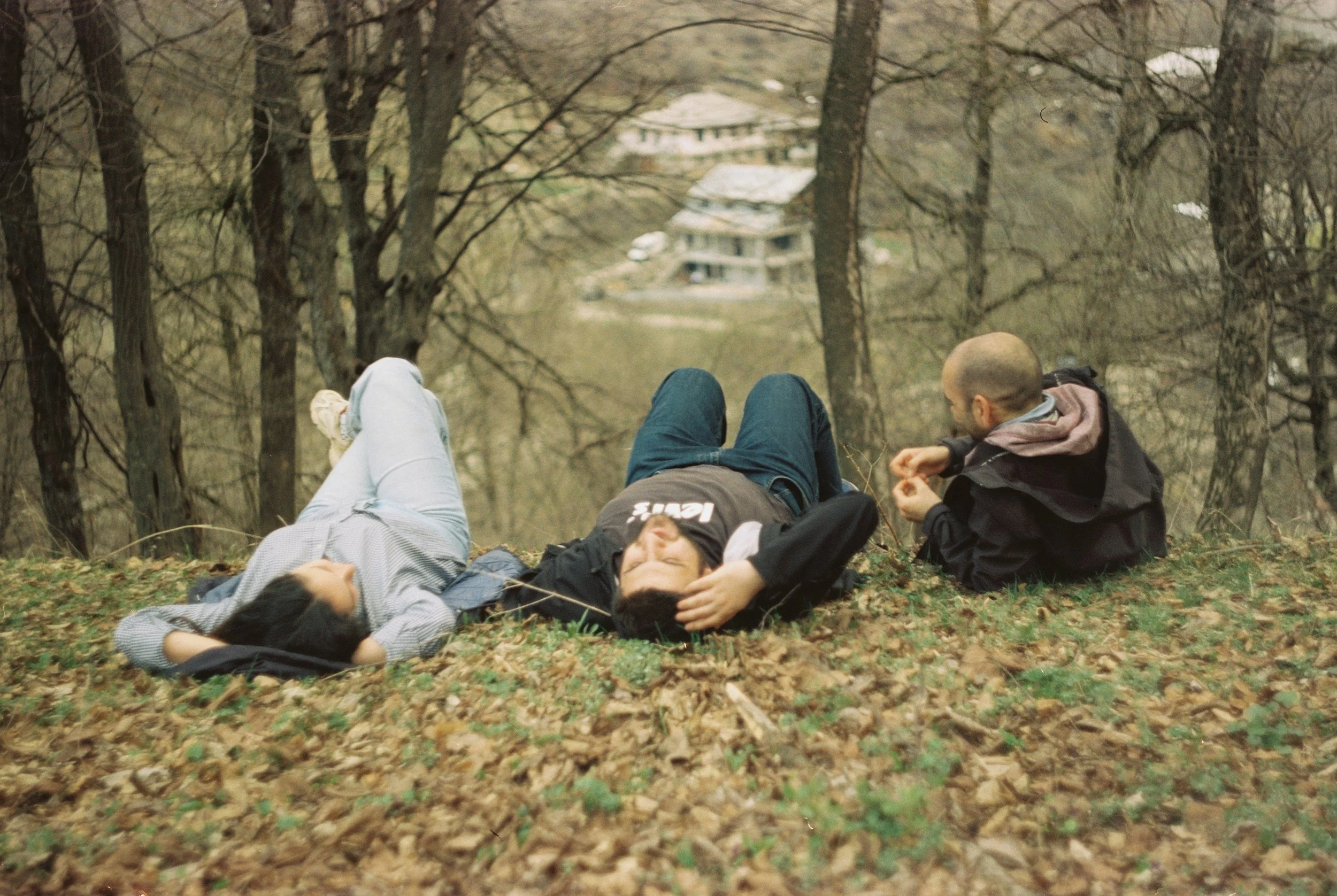
If vacations, weekends, holidays, or even a quiet evening leave you feeling anxious, restless, irritable, or emotionally overwhelmed, you're not alone. For many people living with chronic stress, burnout, or unresolved trauma, slowing down can actually activate the nervous system instead of calming it. This doesn't mean you're doing rest "wrong." It means your nervous system has adapted to surviving rather than feeling safe. Trauma therapy can help you retrain your nervous system, build capacity for rest, and experience genuine emotional healing.
Most of us are told that taking time off should feel relaxing.
So why does it sometimes feel exactly the opposite?
Maybe you finally leave for vacation only to feel anxious the entire trip. Perhaps the weekend arrives and instead of feeling refreshed, you become irritable, emotionally reactive, or strangely restless. Holidays that were supposed to be joyful leave you exhausted or overwhelmed. Even sitting quietly on the couch can make your mind race.
If this sounds familiar, there is nothing "wrong" with you.
In fact, this is a surprisingly common experience for people who have lived through trauma, chronic stress, burnout, perfectionism, caregiving, or years of constantly staying in survival mode. When your nervous system has spent a long time adapting to stress, rest can initially feel unfamiliar—even unsafe.
Understanding why this happens is often the first step toward emotional healing.
Why Time Off Can Feel So Hard
Your nervous system is designed to help you survive.
When life requires you to constantly stay alert—whether because of childhood trauma, difficult relationships, demanding careers, parenting responsibilities, caregiving, or years of chronic stress—your brain and body become incredibly skilled at remaining activated.
Over time, that heightened state begins to feel normal.
You may become accustomed to:
Staying busy every minute.
Solving everyone else's problems.
Constantly anticipating what could go wrong.
Feeling productive only when you're accomplishing something.
Ignoring your own physical and emotional needs.
Eventually, your nervous system begins to associate activity with safety.
When everything suddenly becomes quiet, your body doesn't immediately recognize that you're finally safe. Instead, it may interpret the absence of activity as unfamiliar territory.
Ironically, slowing down can make your nervous system turn the volume up instead of down.
This is why nervous system regulation often feels challenging at first. Your body isn't resisting peace—it simply hasn't had many opportunities to experience it consistently.
Why Chronic Stress Changes the Way Rest Feels
Living with chronic stress changes more than your thoughts—it changes your physiology.
When your nervous system spends months or years operating in fight, flight, freeze, or chronic hypervigilance, those patterns become deeply ingrained.
During busy seasons, constant activity can temporarily distract you from emotions that have never had space to be processed.
When life slows down, those emotions often begin to surface.
You may suddenly notice:
Anxiety that seems to appear "out of nowhere."
Restlessness when trying to relax.
Difficulty sitting still.
Irritability with loved ones.
Racing thoughts.
Trouble sleeping despite feeling exhausted.
Unexpected sadness or grief.
Feeling guilty for resting.
A strong urge to become productive again.
Many people assume something is wrong because they feel worse during vacation.
In reality, the opposite is often true.
When your body finally senses even a small amount of safety, it sometimes begins releasing emotions it has been holding onto during survival.
Common Signs of Dysregulation During Rest
Everyone experiences nervous system dysregulation differently.
Some people notice emotional changes such as:
Feeling unusually emotional during vacations.
Increased anxiety during weekends.
Irritability over small inconveniences.
Feeling disconnected or numb.
Difficulty enjoying time with family.
A sense that they should be "doing something."
Others notice physical symptoms, including:
Muscle tension.
Headaches.
Digestive discomfort.
Restlessness.
Fatigue paired with difficulty sleeping.
Chest tightness.
Shallow breathing.
Feeling "on edge" without knowing why.
For example:
A teacher finishes the school year and expects to relax, but instead spends the first two weeks feeling anxious and unable to sit still.
A healthcare professional finally takes vacation but checks work emails every hour because slowing down feels uncomfortable.
A parent who has spent years caring for everyone else suddenly feels overwhelmed once the house becomes quiet.
These experiences are much more common than many people realize.
Building Capacity for Rest Takes Practice
Rest is not simply the absence of activity.
For many people recovering from trauma or burnout, rest is actually a skill that the nervous system must learn.
Healing is not about forcing yourself to relax.
It is about gradually teaching your body that safety can exist without constant productivity or vigilance.
This process often includes:
Learning nervous system regulation skills.
Increasing awareness of body sensations.
Processing unresolved emotional experiences.
Developing healthier boundaries.
Reducing perfectionism.
Practicing self-compassion.
Building tolerance for stillness one step at a time.
At first, even a few quiet minutes may feel uncomfortable.
With consistency, those same moments can begin to feel restorative rather than threatening.
How Trauma Therapy Helps
Trauma therapy is about much more than talking about difficult experiences.
Effective therapy helps your brain and body work together to create lasting change.
Rather than asking you to simply "think differently," trauma-informed therapy helps you understand why your nervous system responds the way it does while building practical skills for regulation and emotional resilience.
Depending on your needs, therapy may include:
Nervous system regulation techniques.
EMDR therapy for unresolved traumatic experiences.
Attachment-focused work.
Mindfulness and grounding practices.
Emotional processing.
Identifying survival patterns like perfectionism, people-pleasing, or overfunctioning.
Building a greater sense of internal safety.
Over time, many clients discover that vacations become more enjoyable, weekends feel less overwhelming, and rest begins to feel like nourishment instead of something to fear.
Healing doesn't happen by forcing yourself to slow down.
It happens by helping your nervous system learn that slowing down is finally safe.
You Deserve to Rest Without Feeling Overwhelmed
If anxiety during vacation, weekends, or periods of rest has become a recurring pattern, you don't have to continue navigating it alone.
Your nervous system developed these protective patterns for good reasons.
With compassionate support, those patterns can change.
Emotional healing is possible, and rest can become something your body learns to welcome rather than fear.
If rest consistently leaves you feeling anxious, emotionally overwhelmed, or disconnected, therapy can help you build the capacity for safety, regulation, and lasting healing.
Reach out today to schedule a consultation and explore whether trauma-informed therapy is the right next step for your healing journey.
ABOUT THE AUTHOR
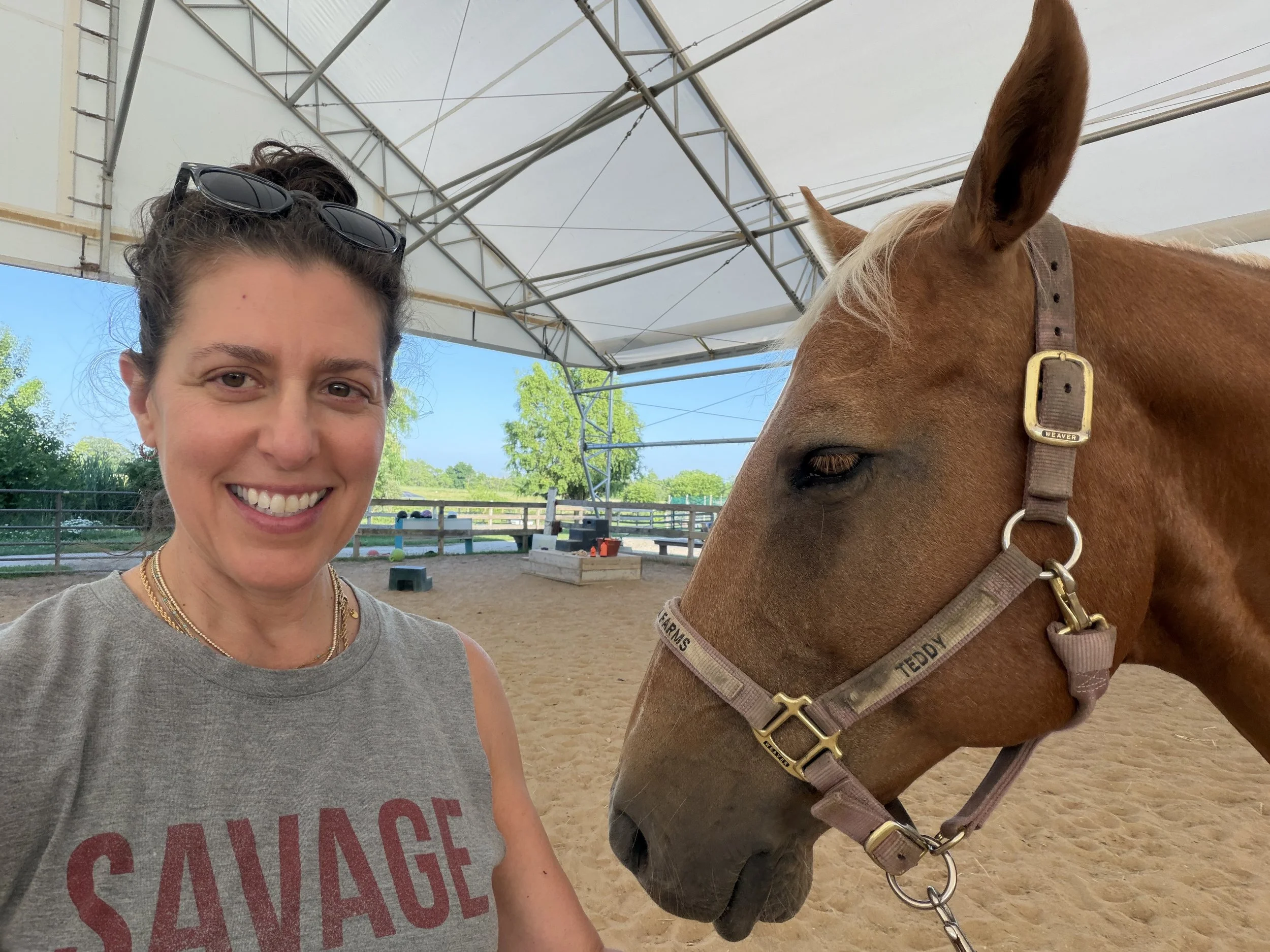
Sari Glazebrook LCSW is a licensed clinical social worker providing in person psychotherapy in Northfield, IL and North Suburban Chicago with virtual sessions available across Illinois and Wisconsin. She specializes in trauma therapy and therapy intensives, integrating EMDR and somatic approaches to help clients process deeply, regulate effectively, and create lasting change. At Hopeful Heart, Sari provides compassionate, trauma-informed care that fits real life—whether that’s weekly or in therapy intensives.work.
https://www.hopefulheartllc.com/about-me
https://www.hopefulheartllc.com/
Hopeful Heart LLC
540 Frontage Rd., Suite 3215
Northfield, IL 60093
224-456-8367