
When You've Tried Therapy Before and It Didn't Help
If you've tried therapy before and walked away feeling disappointed, discouraged, or like nothing really changed, you're not alone. Many people assume therapy "just doesn't work" for them after one or more unhelpful experiences. In reality, the effectiveness of therapy often depends on the therapeutic relationship, the approach being used, the pace of treatment, and whether therapy addresses the nervous system—not just thoughts and behaviors. Healing is not one-size-fits-all. Specialized trauma therapy, EMDR, attachment-focused work, and therapy intensives can offer a very different experience for people who have felt stuck in therapy before.
When Therapy Didn't Help
Deciding to start therapy takes courage.
So when you've finally opened up, shared difficult experiences, invested your time, and hoped things would get better—only to leave feeling unchanged or even more discouraged—it can be incredibly painful.
Many people quietly wonder:
"Maybe therapy just isn't for me."
"I've already tried counseling."
"Talking about it didn't help."
"I guess I'm just stuck this way."
If you've had these thoughts, you're far from alone.
As a trauma therapist, I meet many clients who have seen multiple therapists before finding an approach that truly helped. Often, they don't need "more therapy."
They need a different kind of therapy.
Your previous experience does not determine what your future healing can look like.
Why Therapy Sometimes Doesn't Feel Helpful
One of the biggest misconceptions about therapy is that all therapy is essentially the same.
It isn't.
Therapists receive different training, use different modalities, and bring different perspectives into the room. What helps one person may not be the right fit for someone else.
There are many reasons therapy may not have felt effective.
You Didn't Feel Emotionally Safe
Healing happens in the context of safety.
If you didn't feel understood, accepted, or emotionally supported by your therapist, your nervous system may have remained in a protective state.
Without emotional safety, it can be difficult to access vulnerability, process painful experiences, or create lasting change.
This doesn't mean you failed.
It may simply mean the therapeutic relationship wasn't the right fit.
Therapy Stayed Too Intellectual
Insight is valuable.
Understanding why you struggle can be empowering.
But trauma often lives beyond words.
Many people can explain exactly why they people-please, become anxious, avoid conflict, or feel disconnected—and still continue experiencing those patterns every day.
Trauma recovery often requires working with the nervous system, emotions, and body, not only the thinking mind.
The Pace Didn't Match Your Needs
For some people, weekly 50-minute therapy sessions are exactly what's needed.
For others—especially those with complex trauma or longstanding emotional patterns—that pace can feel frustratingly slow.
Clients sometimes spend months revisiting the same stories without feeling meaningful movement.
This isn't necessarily because therapy isn't working.
It may simply mean you need a different format.
The Therapy Didn't Address Nervous System Regulation
Many traditional therapy approaches focus primarily on changing thoughts.
While cognitive insight is important, trauma also affects the nervous system.
If your body still feels unsafe, anxious, hypervigilant, or shut down, it becomes difficult to create lasting emotional change through insight alone.
Understanding your trauma and healing from it are not always the same process.
What People Often Need Instead
Healing isn't about finding the "best" therapy.
It's about finding the therapy that best fits your needs.
For many trauma survivors, that includes approaches that work with both the mind and the nervous system.
A Strong Therapeutic Relationship
Research consistently shows that one of the strongest predictors of successful therapy is the relationship between therapist and client.
Feeling seen, understood, respected, and emotionally safe creates the foundation for healing.
Trauma-Informed Care
Trauma-informed therapy recognizes that many symptoms are actually survival adaptations rather than personal flaws.
Instead of asking:
"What's wrong with you?"
It asks:
"What happened to you?"
This shift often helps reduce shame while increasing curiosity and self-compassion.
Experiential Therapies
Some healing happens through conversation.
Other healing happens through experience.
Approaches such as:
EMDR
Attachment-focused therapy
Nervous system regulation
Parts work (IFS-informed therapy)
Mind-body interventions
can help clients process experiences that may not fully respond to talk therapy alone.
Therapy Intensives
For people who feel stuck in therapy, therapy intensives can offer a completely different experience.
Rather than working within weekly time constraints, intensives provide extended, focused time for deeper emotional processing, nervous system regulation, and integration.
Many clients describe intensives as the first time they've felt able to move beyond simply talking about their struggles and begin experiencing meaningful change.
How We Can Create a Different Experience
At Hopeful Heart LLC, I believe therapy should be more than simply talking about your week.
Healing happens when you feel emotionally safe enough to explore your experiences with curiosity rather than judgment.
My approach integrates evidence-based trauma therapies with a deep understanding of the nervous system, attachment, and emotional healing.
Together, we work to understand not only your symptoms, but the protective patterns underneath them.
Depending on your needs, therapy may include:
EMDR (Eye Movement Desensitization and Reprocessing)
Attachment-focused therapy
Nervous system regulation
Trauma-informed psychotherapy
Therapy intensives for deeper healing
Mindfulness and grounding strategies
Boundary work and self-compassion
Whether you've experienced childhood trauma, relationship wounds, burnout, anxiety, or years of people-pleasing, our work is guided by one central belief:
You are not broken.
Your nervous system learned to survive.
Now it can learn to heal.
Don't Let One Therapy Experience Define Your Healing
If therapy didn't help in the past, it doesn't mean healing isn't possible.
It may simply mean you haven't yet found the right therapist, the right approach, or the right therapeutic pace.
Healing is rarely linear.
Sometimes it takes trying a different modality.
Sometimes it takes finding a therapist who truly understands trauma.
Sometimes it takes creating enough safety for your nervous system to finally let go of survival mode.
Whatever your journey has looked like, you deserve support that meets you where you are—not where someone thinks you should be.
Ready to Explore a Different Kind of Therapy?
If you've felt discouraged because therapy didn't help, I want you to know this:
Please don't let one disappointing experience convince you that healing isn't possible.
Finding the right therapist and the right approach can make all the difference.
Whether you're feeling stuck in therapy, recovering from trauma, or looking for a deeper healing experience through EMDR or therapy intensives, support is available.
You deserve therapy that helps you feel seen, understood, and empowered—not just informed.
Healing is still possible.
And you don't have to do it alone.
About the Author
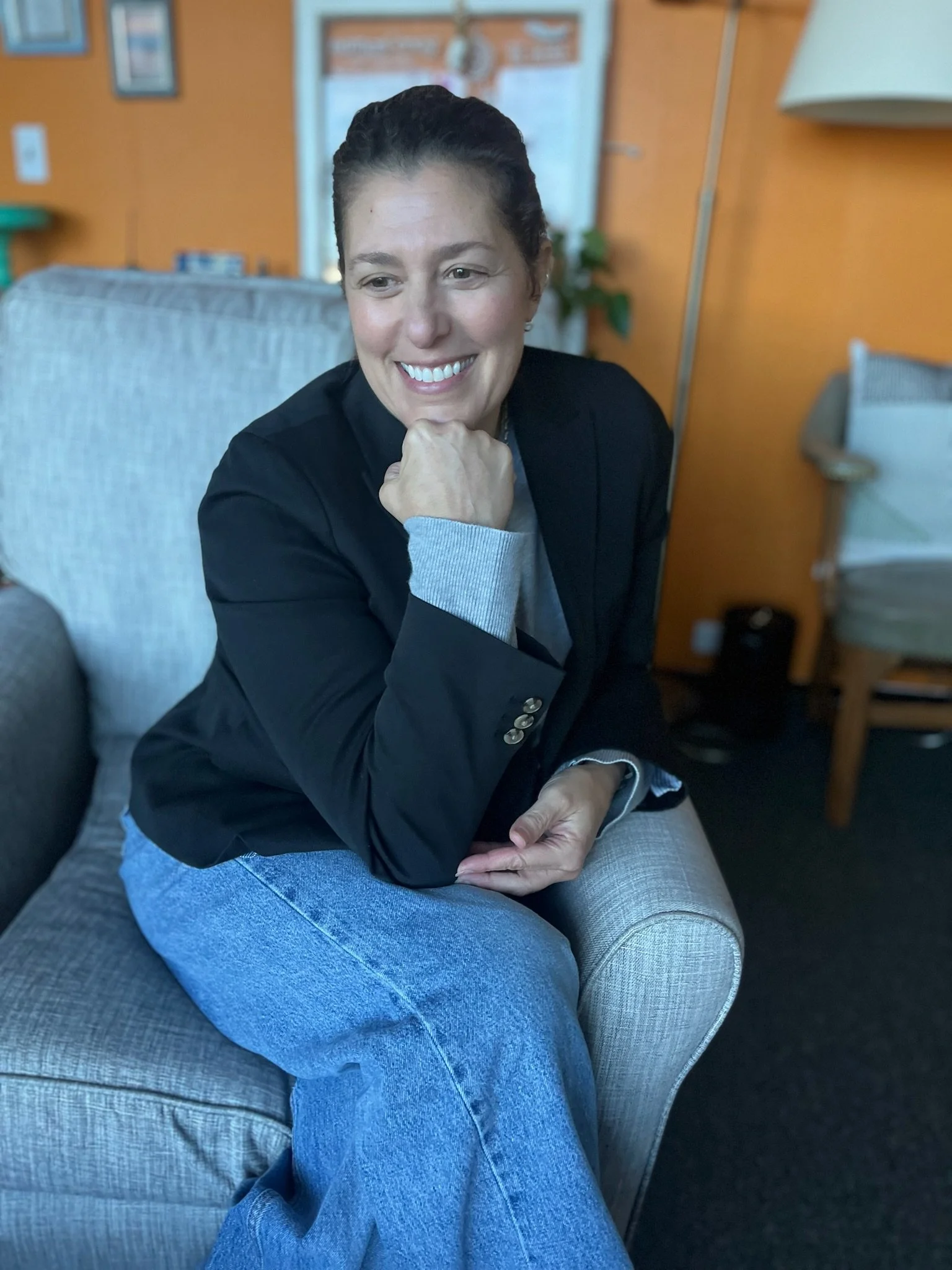
Sari Glazebrook, LCSW is a licensed therapist with over 15 years of experience supporting clients in Northfield, Illinois. She specializes in trauma, anxiety, attachment wounds, burnout, EMDR therapy, nervous system regulation, and therapy intensives. Sari uses evidence-based approaches including EMDR, attachment-focused therapy, trauma-informed psychotherapy, and nervous system regulation strategies to help clients heal from trauma, build self-trust, strengthen relationships, and move beyond survival mode. At Hopeful Heart LLC, she is committed to providing compassionate, expert care both in person and online for clients across Illinois and virtually in Wisconsin.
https://www.hopefulheartllc.com/about-me
https://www.hopefulheartllc.com/
Hopeful Heart LLC
540 Frontage Rd., Suite 3215,
Northfield, IL 60093
224-456-8367